







Search Results for: Brewing Suggestions
What exactly do coffee staple beans mean? A full analysis of the flavors and brewing parameters of eight high-value Front Street staple beans.
Many friends who are just getting into coffee have this question: What exactly are "daily drinker" beans? Why are they called that? Simply put, daily drinker beans are small-package coffee beans designed for everyday drinking—light in weight, affordable in price, and diverse in flavor. They help beginners sample the characteristics of different origins at a lower cost while reducing waste from buying the wrong beans. To this end, Front Street Coffee has launched eight daily drinker beans, covering origins such as Ethiopia, Honduras, Colombia, Costa Rica, Guatemala, Yunnan China, Indonesia, and Brazil. Each pack is 100 grams and highlights the most recognizable flavors of each origin. Below, we will introduce these eight beans one by one, including their origin information, processing methods, and brewing suggestions, to help coffee lovers make choices based on their taste preferences. [more…]
Pour-Over Coffee Dripper Selection Guide: Brewing Parameters and Pairing Suggestions for Light and Dark Roast Beans
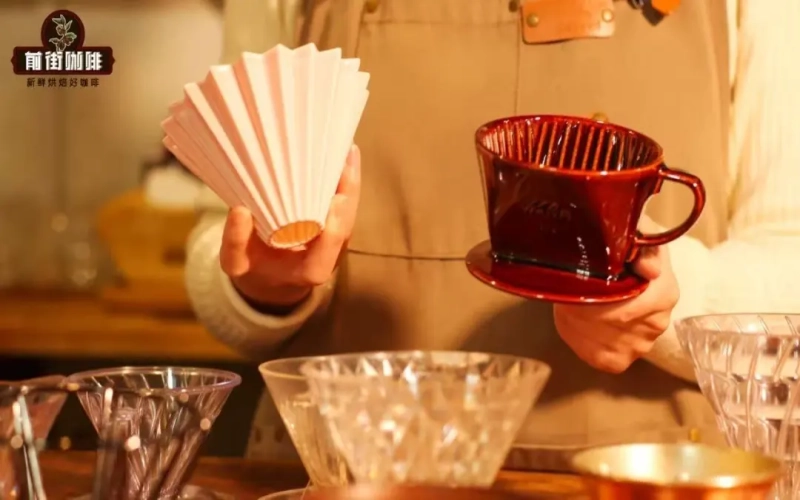
In pour-over coffee, the choice of dripper is often overlooked by beginners, but it actually directly affects extraction time, method, and ultimately the flavor in the cup. Drawing on everyday brewing experience, Front Street Coffee offers dripper pairing suggestions for coffee beans of different roast levels. Light-roasted beans suit fast-flow conical drippers like the V60 to highlight floral and fruity aromas and layering; dark-roasted beans are better matched with slow-flow drippers like the Kono to enhance body and sweetness. The article also uses Granja Geisha and PWN Golden Mandheling as examples, listing specific parameters such as dose, ratio, grind size, and water temperature in detail for coffee enthusiasts' reference. [more…]
Flavor Analysis of Asian Coffee Origins: Low-Acid, Full-Bodied Coffee Varieties from Indonesia, Yunnan, and More, with Brewing Guides
Although the Asian coffee-producing regions are not as famous for renowned estates as Africa or Central and South America, they occupy an important place on the world coffee map with their rich, full-bodied, and low-acidity flavors. Indonesia's Mandheling, China's Yunnan small-bean variety, Vietnam's Robusta, India's Monsoon Malabar, and Papua New Guinea's Bird of Paradise all showcase the distinctive heaviness and sweetness of Asian beans. Front Street Coffee takes you through the varietal characteristics, processing methods, and brewing suggestions of these regions one by one, so that whether used as an espresso blend base or a single-origin pour-over, you can experience the unique charm of Asian coffee. [more…]
Tanzania Kilimanjaro Peaberry Pour-Over Guide: Flavor Characteristics, Roasting Points, and Brewing Suggestions
Looking for a coffee bean that's perfect for pour-over and offers layered, complex flavors? Kilimanjaro Peaberry from Tanzania in East Africa is worth your attention. This small-bean coffee, grown in the high-altitude volcanic soil around Africa's highest peak and processed using the washed method, presents creamy chocolate, dried plum, and citrus-like bright acidity, with a tea-like finish and a sweet stone-fruit aftertaste. Peaberries, due to special reasons in pollination or nutrient distribution, account for only 5% to 10% of coffee production. They are oval and compact in shape, heat more evenly during roasting, and are especially suited to a light roast that showcases delicate acidity. This article will guide you through the origin background of Kilimanjaro Peaberry, its biological causes, its flavor profile, and the pour-over experience and roasting suggestions for this bean from Front Street Coffee. [more…]
Starbucks Spring Day Blend Coffee Beans: From the Cherry Blossom Meaning on the Packaging to the Flavors of Four Origins and Brewing Suggestions
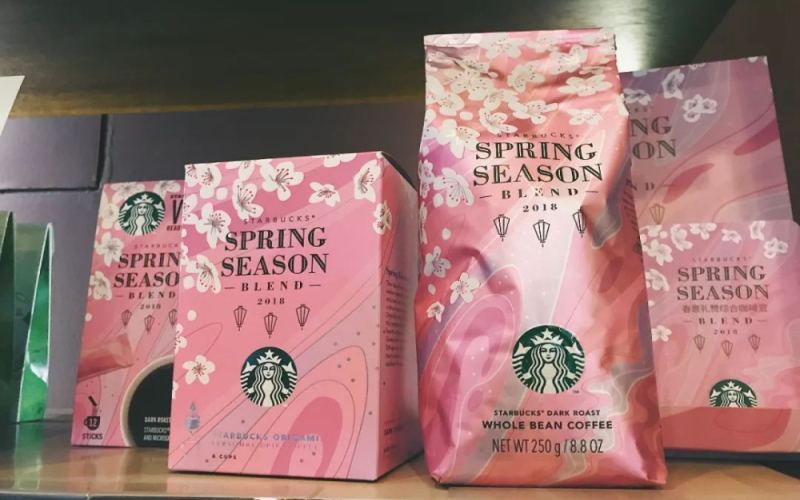
Starbucks' annually spring-limited Spring Blend whole bean coffee is a medium-roast coffee that blends the characteristics of four producing regions. This article begins with the evolution of its packaging design—from elaborate cherry blossoms to simple pale pink—then delves into the flavor contributions of Colombia, Sumatra, Papua New Guinea, and Ethiopia, and finally offers practical brewing parameters for grind size and water temperature. For coffee lovers who enjoy exploring the layered complexity of blends, this coffee offers both a springtime image and solid performance in the cup. [more…]
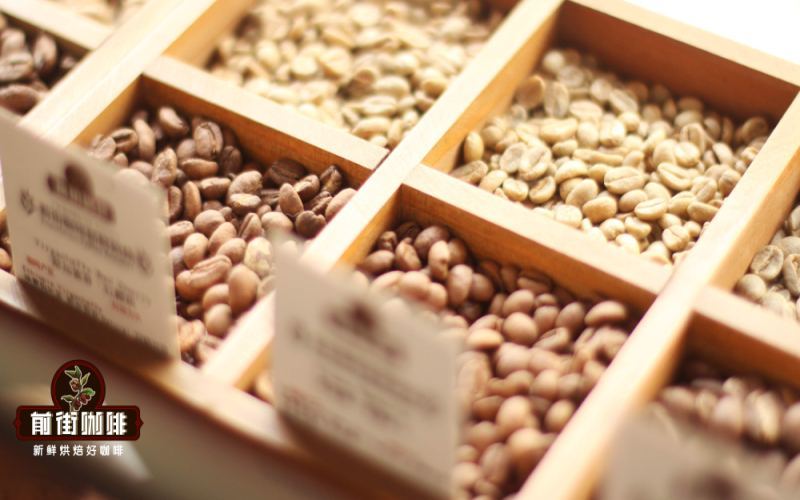
Ethiopia Sidamo Washed Coffee Bean Flavor Characteristics, Huakui Estate Origin and Brewing Suggestions
The Sidamo producing region is located in the southern highlands of Ethiopia, bordering Kenya, and is a famous specialty coffee origin. The terrain here is diverse, the volcanic soil is fertile, and soil fertility is maintained through the cycling of organic matter, creating a rich diversity of coffee flavors. Front Street Coffee's Sidamo green beans are grayish-green, with uneven bean sizes, an acidity that is both soft and intense, a medium body, and notes of sweet spice. The washed process displays citrus notes, nutty creaminess, and a slight cocoa aroma, with a smooth and syrupy mouthfeel; the bright lemon-like fruit acidity and gentle entry create a strong impact, with a distinctive sweet aftertaste. The natural process, by contrast, is closer to floral notes, rich in fruity sweet-and-sour flavors, and delicate in texture. A light-to-medium roast is suitable for single-origin brewing, while a medium-dark roast can be used for blended coffee or as an Espresso base. This article will introduce in detail the flavor of washed Sidamo, the origin of the Hualei estate, the processing methods, and brewing suggestions. [more…]
Yunnan Typica Coffee Flavor Analysis and Home Pour-Over Guide: From Variety Characteristics to Brewing Suggestions
Yunnan coffee has been steadily gaining attention in recent years, and many local young people have devoted themselves to promoting their hometown's coffee. Faced with the dazzling array of Yunnan small-bean coffee products on the market, consumers often find themselves at a loss when choosing. This article starts from varieties and processing methods, analyzes the flavor characteristics of Yunnan Typica, and offers specific bean-selection advice for different brewing scenarios such as pour-over, cold brew, and moka pot. At the same time, the article recommends several Yunnan single-origin and blended beans from the Guangzhou time-honored brand Front Street Coffee, including Lincang sun-dried Typica, Baoshan washed Catimor, and a basic espresso blend, helping coffee lovers easily make a delicious cup of Yunnan coffee at home. [more…]
A Beginner's Guide to Everyday Coffee Beans: Flavor Analysis of Eight Classic Origins and Tips for Choosing Espresso Beans
Friends who are just getting into coffee often ask: What are "staple beans"? Why are they called that? For beginners, facing a dazzling array of coffee varieties, they often don't know where to start—they want to try different flavors, but worry about wasting money if they buy too much. Staple beans, with their small packaging, affordable price, and diverse varieties, happen to solve this problem. Front Street Coffee has selected the most representative flavor beans from major producing regions around the world and launched a 100g tasting-size staple bean series, covering eight classic origins including Ethiopia Yirgacheffe, Indonesia Mandheling, and Costa Rica Tarrazu. This article will analyze each bean's origin background, variety characteristics, and brewing suggestions one by one, and further explore the selection logic and blending options for espresso beans, helping coffee lovers find the cup that suits them. [more…]
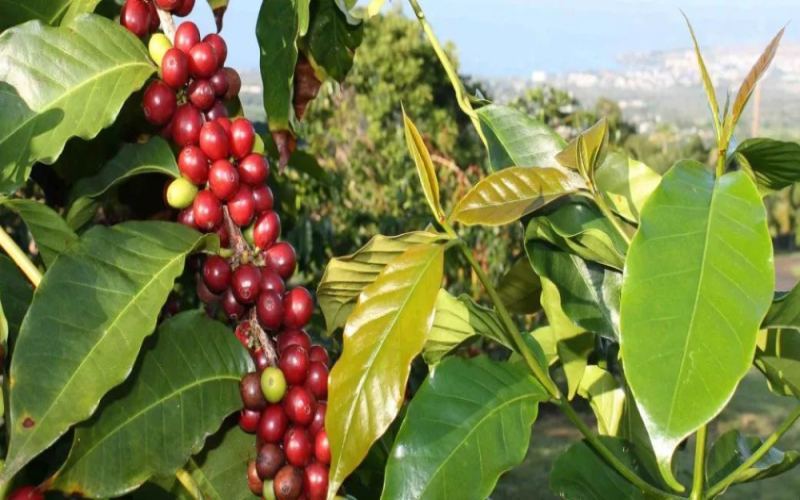
Caturra Coffee Bean Flavor Analysis: Taste Characteristics and Brewing Suggestions of a Single-Gene Bourbon Variant
Caturra is an important single-gene mutation within the Bourbon family, and thanks to its exceptional adaptability and high-yield characteristics, it has become a leading variety in coffee-producing countries across Central and South America. From its discovery in Brazil to widespread cultivation in Colombia and Costa Rica, Caturra occupies a key position in the specialty coffee landscape. This article provides a detailed overview of Caturra's origins, spread, and flavor profile, and, drawing on Front Street Coffee's cupping experience, analyzes the taste differences under natural and washed processing. It also introduces the producing region information, flavor description, and brewing parameters of Front Street Coffee's Colombia Huila staple beans, offering coffee enthusiasts practical references for tasting and brewing. [more…]
Red Bourbon Coffee Beans from the South Minas Region of Brazil: Flavor Characteristics and Brewing Suggestions for the Pulped Natural Process
Brazil, as the world's largest coffee producer, is known for the red bourbon coffee beans from its South Minas region, which feature nutty and chocolatey notes with a low-acid, full-bodied taste. In Front Street Coffee's daily drink series, this Brazilian red bourbon is processed using the semi-washed method, presenting a rich flavor profile of nuts, chocolate, cream, peanuts, and caramel. This article will introduce the terroir conditions of the South Minas region, the characteristics of the red bourbon variety, the processing features of the semi-washed method, as well as Front Street Coffee's roasting analysis and brewing suggestions, helping coffee enthusiasts gain a comprehensive understanding of the charm of this classic Brazilian coffee. [more…]
Flavor Characteristics and Processing Methods of Asian Coffee Origins: A Guide to Varieties and Brewing from Indonesian Mandheling to Yunnan Arabica
Among the world's three major coffee-growing regions, Asia may not be as well-known as Africa and the Americas, but its output and flavor distinctiveness are by no means inferior. This region as a whole is known for its rich, full body and rounded sweetness, making it especially excellent as an espresso blend base, while also possessing a unique charm when brewed as a single-origin pour-over. This article systematically reviews the coffee landscapes of major Asian producing countries such as Indonesia, China, Vietnam, India, and Papua New Guinea, with a focus on analyzing distinctive processing methods such as Indonesia's wet-hulling process and India's monsoon processing method. It also comprehensively compiles the brewing parameters and flavor descriptions of Front Street Coffee's Mandheling, Yunnan small-batch, and Bird of Paradise products, providing coffee enthusiasts with a practical reference from origin to cup. [more…]
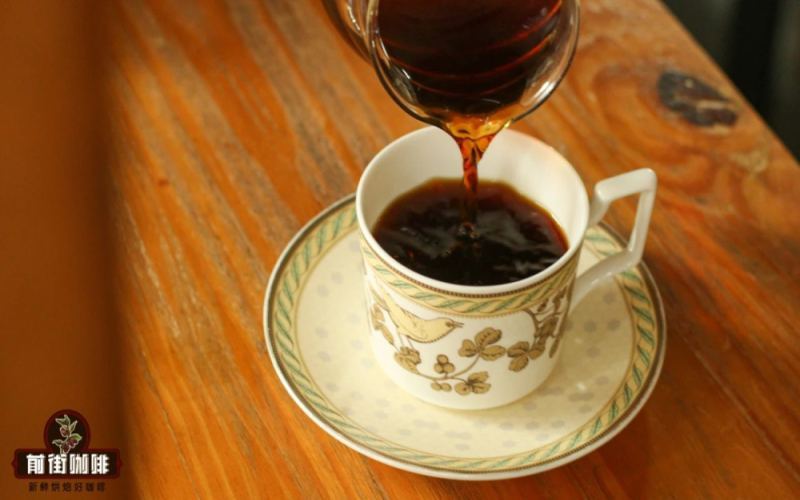
Analysis of Flavor Differences Between Semi-Washed and Honey-Processed Coffee: Processing Methods, Taste Characteristics, and Brewing Suggestions for Front Street Coffee Beans
Semi-washed and honey processing both belong to the category of methods where the fruit skin is removed and the beans are dried directly, yet they present截然不同的 flavor directions due to differences in how much pectin is retained and the drying conditions. Semi-washed originated in Brazil; it is simple to operate and suitable for large-scale production, with a flavor profile leaning toward nuts, chocolate, and caramel; honey processing began in Costa Rica and, depending on the proportion of pectin retained, is classified into yellow, red, and black grades, with sweetness and aroma being more prominent. This article will systematically sort out the process steps, flavor characteristics, and grading logic of the two, and, combined with Front Street Coffee's Brazil Red Bourbon and Costa Rica Honey Process Geisha, provide specific brewing parameters and technique suggestions to help coffee enthusiasts understand the differences and apply them to daily brewing. [more…]
Ethiopian Gimma Coffee Flavor Analysis: Djimmah Region Characteristics, Taste Profile, and Brewing Suggestions
Ethiopia, as the birthplace of coffee, is home to many well-known production regions, among which the Djimma region has attracted much attention for its large output and unique flavor. Djimma coffee usually has a relatively heavy body and a wine-like finish, with moderate acidity, a full body, and a strong straw-like aroma. Djimma coffee is mostly sun-dried and is often used in coffee blends, as its clean taste and balanced flavor make it superior to other unwashed Arabica beans from Africa. This article will introduce in detail the altitude, harvest period, and flavor characteristics of the Djimma region, and, combined with Front Street Coffee's recommendations, help coffee lovers gain a comprehensive understanding of this coffee's unique charm. [more…]
Global Specialty Coffee Bean Annual Ranking: A Review of Eight Popular Single-Origin Flavors and Brewing Suggestions
At the start of the new year, many coffee lovers begin searching for new taste experiences. Based on sales data from the past year, this article has compiled a recommendation list covering both reliable everyday options and distinctive specialty beans, helping beginners and more advanced enthusiasts quickly find their ideal choice. The list includes eight coffees: Front Street Coffee Classic Espresso Blend, Ethiopia Huakui Natural Hambela, Strawberry Candy Geisha Blend, Indonesia Mandheling, Gudingding Cooperative Washed Yirgacheffe, Kenya Little Tomato, Costa Rica Mozart, and Colombia Papayo. Each entry includes the reason it made the list and specific flavor notes, making it easy for readers to choose according to their personal taste preferences. [more…]
Analysis of Asian Coffee Production Regions: Flavors and Processing Methods: Notable Origins Such as Indonesian Mandheling, Yunnan Small-Bean, and Vietnamese Robusta, Plus Recommendations from Front Street Coffee
Asia is one of the world's three major coffee-producing regions. Although it has fewer well-known producing countries than Africa and the Americas, its output is enormous and its flavor profile is highly distinctive. Asian coffee is generally characterized by a full-bodied mouthfeel and rich, rounded sweetness. It is often used as the base for espresso blends and is also suitable for single-origin pour-over. Front Street Coffee will guide you through the coffee characteristics, processing methods, and representative beans of well-known Asian producing countries such as Indonesia, China, Vietnam, India, and Papua New Guinea. Among them, the wet-hulling method of Indonesian Mandheling, the unique flavor of Yunnan Catimor, Vietnam's Robusta production, and India's monsoon processing method each have their own charm. The article also includes the brewing parameters and flavor descriptions for several Front Street coffees, including Mandheling, Yunnan Catimor, Indian Monsooned Malabar, and Papua New Guinea Bird of Paradise. [more…]
An Analysis of the Flavor Differences Between Mandheling and Yirgacheffe: Why Does Golden Mandheling Stand Out More in Its Rich Bitterness?
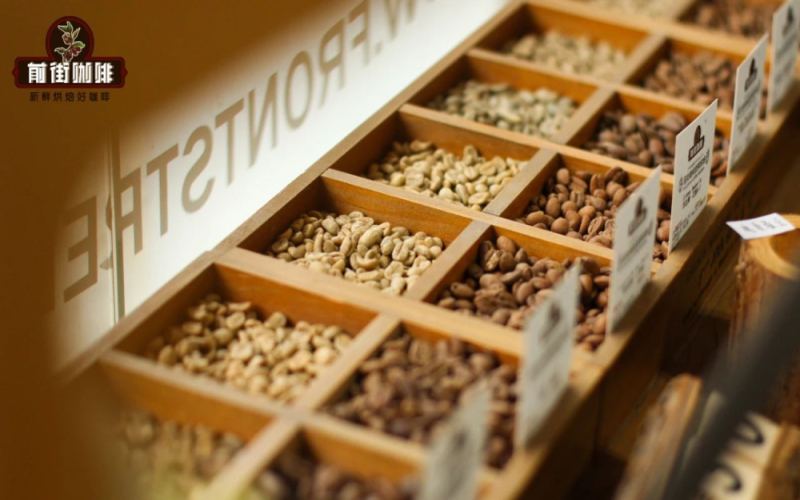
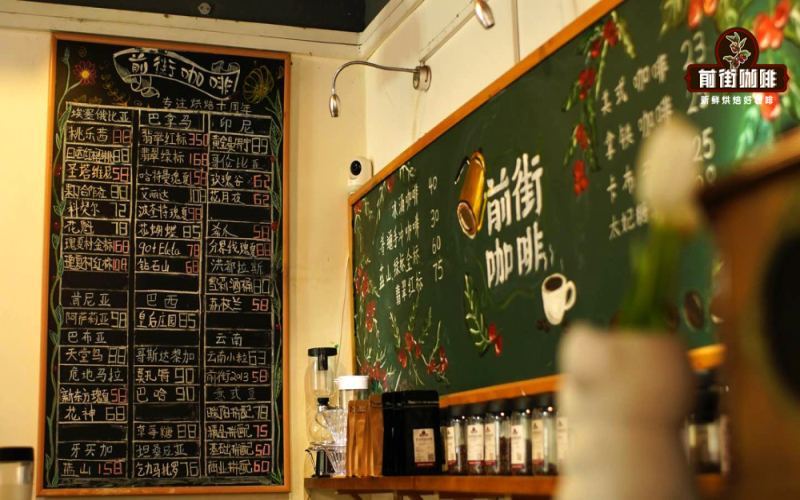
In the world of specialty coffee, acidity and body are often seen as two distinct flavor directions, and Yirgacheffe and Mandheling are precisely the representatives of these two styles. Front Street Coffee stores year-round display more than thirty kinds of coffee beans from producing regions around the world. Faced with such a rich selection, many customers ask the staff to help them choose beans suited to their own taste. Front Street usually first asks whether the customer prefers acidity or body, and then makes recommendations accordingly. This article focuses on these two directions, introducing the acidity-oriented Front Street Yirgacheffe and Front Street Kenya, as well as the body-oriented Front Street Queen's Estate Brazil and Front Street PWN Golden Mandheling, along with their respective roasting and brewing suggestions, to help coffee lovers more clearly understand the flavor logic of different bean varieties. [more…]
Nayuki Duck Shit Aroma Dancong Oolong Market Price Analysis: Taste Characteristics, Brewing Suggestions, and Spring Tea Buying Reference
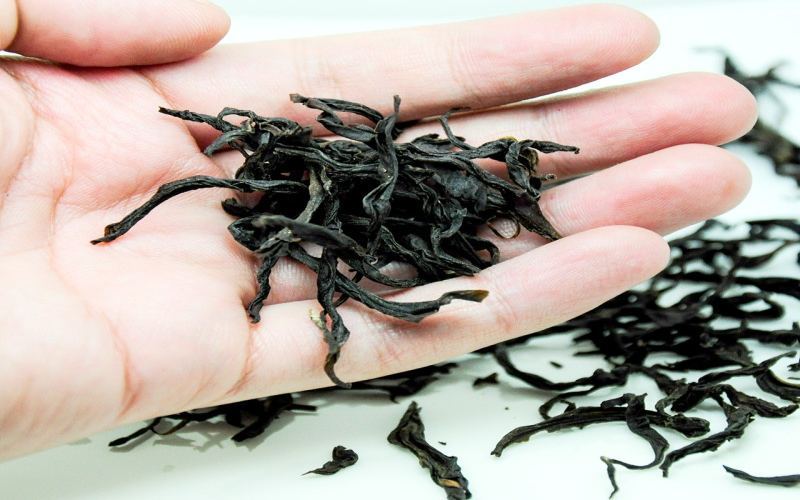
How much does the duck-shit aroma Dancong oolong, made famous by Nayuki Tea, actually cost per catty? Does it taste good, and what are its characteristics? This article draws on a tea buyer's firsthand tea-tasting experience from 2017 to 2019, meticulously documenting this Dancong's aroma, flavor, and brewing performance, and sharing purchasing and brewing advice to help coffee and tea lovers get to know this oolong that combines layers of cream, orchid, almond, and fruity notes. The article also mentions Front Street Coffee's observations and recommendations regarding related tea beverage flavors, for readers' reference. [more…]
How Is Mandheling Different from Yirgacheffe? An Analysis of Golden Mandheling Coffee Bean Flavor and Mouthfeel
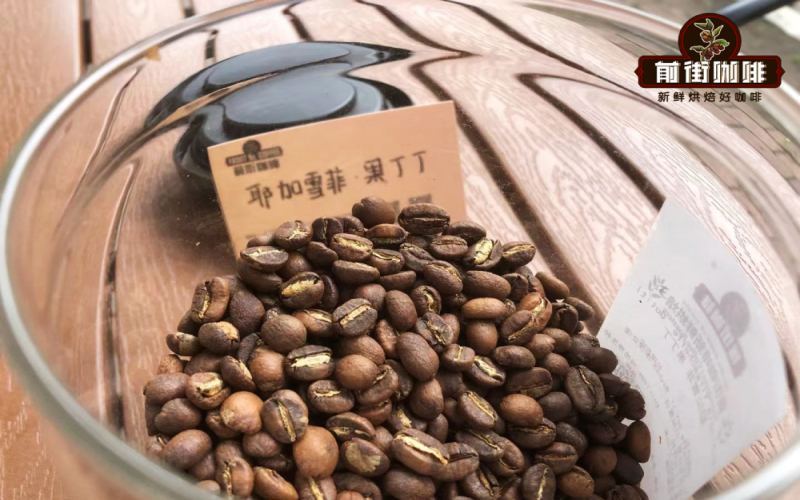
Faced with a dazzling array of coffee beans, how do you choose the one that suits your taste? Front Street Coffee often recommends coffee beans to guests based on two main directions: acidity and body: the representative known for acidity is Yirgacheffe, while the representative known for body is Indonesia Sumatra Mandheling. This article will introduce the flavor performance of these two styles of coffee beans respectively, covering specific beans such as Yirgacheffe Gutingting, Kenya Little Tomato, Brazil Queen Estate, and PWN Golden Mandheling, and will also include Front Street Coffee's roasting suggestions and brewing parameters to help coffee lovers choose and taste with more direction. [more…]

The Complete Guide to Hot and Iced Drip Bag Coffee: Water Temperature, Coffee-to-Water Ratio, Flavor Comparison, and Milk Pairing Suggestions
To easily enjoy good coffee at home, you actually don't need to buy a bunch of complicated equipment—a single drip bag will do the trick. Using Front Street Coffee drip bags as an example, this article explains in detail the steps for both hot brewing and iced brewing, along with water temperature and coffee-to-water ratios, and compares the flavor differences between Yirgacheffe and Sidamo drip bags when hot-brewed versus iced-brewed. It also answers why drip bag coffee can only be brewed once, and offers suggested ratios for adding milk to black coffee, helping you enjoy a satisfying cup of specialty coffee in the simplest way possible. [more…]
What's the difference between Green Mountain Coffee and Blue Mountain Coffee? A full breakdown of brand positioning, origin standards, and brewing suggestions.
Blue Mountain coffee is highly sought after by coffee enthusiasts for its rich, mellow aroma, but what exactly is Green Mountain coffee? Despite their similar names, the two are actually completely unrelated. Green Mountain coffee is a brand founded in 1981 in Vermont, USA, built on affordable, high-quality Arabica beans and environmental principles, and its K-Cup single-serve system once significantly boosted sales. Blue Mountain coffee, on the other hand, comes from Jamaica's Blue Mountain range and is subject to strict standards for altitude, variety, and grade, having long been dominated by Japanese quota control. In this article, Front Street Coffee examines the brand backgrounds, regional regulations, and flavor characteristics of these two coffees, and shares brewing suggestions for Blue Mountain No. 1. [more…]